Home energy needs are changing quickly as power outages become more common and electricity prices continue to fluctuate. In 2026, whole house solar generators are becoming core parts of modern home energy systems. With improvements in battery technology, solar input, and smart energy management, choosing the right system requires more than just comparing prices. This buyer’s guide breaks down the most important factors to consider before investing in a whole house solar generator.

How to Choose the Right Whole House Solar Generator in 2026?
Buying a whole house solar generator is a long-term decision, so understanding the key features and capabilities is essential.
Understand Your Home’s Power Requirements
Start by identifying which appliances and systems you want to power during an outage. Whole house coverage typically includes refrigerators, lighting, HVAC systems, well pumps, internet equipment, and sometimes EV chargers. Homes with higher energy demands require generators with both high continuous output and strong surge capacity. In 2026, the solar powered whole house generator commonly supports 120V/240V split-phase output to handle large appliances safely.
Battery Capacity and Scalability Matter More Than Ever
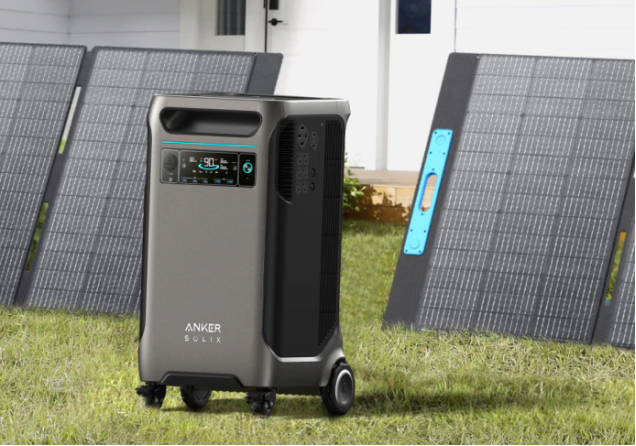
Battery storage determines how long your home can stay powered. Entry-level systems may offer a few kilowatt-hours (kWh), while advanced systems scale beyond 20kWh for extended outages. Expandability is a major advantage in 2026, allowing homeowners to start with a smaller setup and add batteries later. Systems like the Anker SOLIX F3800 support expandable capacity, making them suitable for both short outages and long-term resilience.
Solar Input and Charging Speed
A key benefit of solar generators is the ability to recharge using sunlight. Look for systems with high solar input capacity, which allows batteries to recharge quickly during the day. Faster charging reduces downtime and increases reliability during multi-day outages. In sunny conditions, high-input systems can recharge from low to high capacity in just a few hours, making them far more practical than earlier-generation solutions.
Whole-Home Integration and Automatic Switchover
To truly function as a whole house generator, the system must integrate safely with your home’s electrical panel. Transfer switches or smart home power panels isolate the home from the grid during outages and distribute power efficiently. Advanced systems offer automatic switchover, ensuring seamless transition when the grid goes down. This feature is especially valuable for homes with critical systems that must remain powered without interruption.
Smart Energy Management Features
In 2026, smart control is no longer optional. The best whole house solar generators include app-based monitoring via Wi-Fi or Bluetooth, allowing homeowners to track energy usage, battery levels, and charging status in real time. Some systems offer advanced modes like self-consumption or time-of-use optimization, helping reduce electricity bills by using stored solar energy during peak pricing hours.
Battery Chemistry and Lifespan
Battery durability directly affects long-term value. Lithium iron phosphate (LFP) batteries are now the preferred choice due to their safety, stability, and long cycle life. Many high-quality whole house solar generators are designed for up to 10 years of use, significantly reducing replacement concerns. Always check warranty length, as strong warranties reflect confidence in long-term performance.
Noise, Maintenance, and Sustainability
Compared to fuel-based generators, solar generators operate silently and produce no emissions. So, they are ideal for residential neighborhoods and environmentally conscious households. With no fuel storage or engine maintenance required, long-term upkeep is minimal, which is an important consideration for homeowners seeking convenience.
Incentives and Long-Term Value
In some regions, solar generators may qualify for clean energy incentives or tax credits, further improving return on investment. When combined with fuel savings, reduced utility bills, and increased home resilience, these incentives can significantly offset upfront costs.
Conclusion
Choosing a whole house solar generator in 2026 means looking beyond basic backup power. The best systems combine high output, expandable battery storage, fast solar charging, and smart energy management. By evaluating your home’s power needs, planning for future expansion, and prioritizing reliability and lifespan, you can make a confident investment. With advanced options like Anker SOLIX whole house solutions, solar generators are evolving into powerful, future-ready energy systems that protect homes and support smarter energy living.