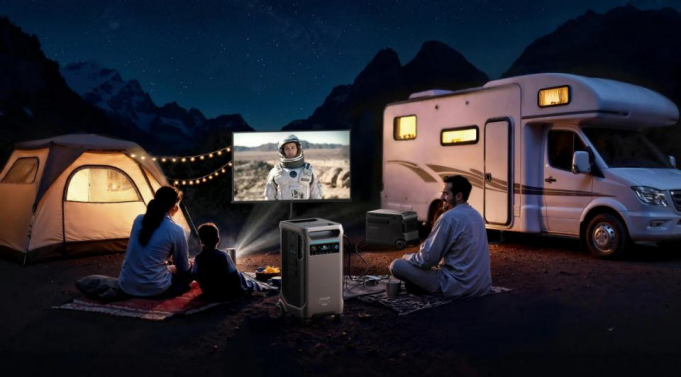
Managing power in an RV is critical for extended trips, especially when relying on battery power off-grid. Many devices draw more energy than expected, leading to premature battery depletion. Understanding which appliances and electronics consume the most power can help travelers plan usage more efficiently. Conserving energy extends the time between recharges and prevents unwanted interruptions. In this article, the most common RV power-hungry devices and tips for monitoring and managing energy consumption are outlined for practical use.
1. High-Wattage Heating and Cooling Appliances
Air Conditioners and Electric Space Heaters
Air conditioners and electric space heaters are among the largest consumers of battery power in an RV. Running these appliances for extended periods can quickly drain even a fully charged battery bank. Using these devices efficiently, such as limiting runtime or adjusting settings, can significantly extend battery life. Proper insulation and ventilation reduce the need for prolonged use. Understanding their high energy demands is essential for planning off-grid trips.
Electric Water Heaters and Hair Dryers
Electric water heaters and hair dryers draw substantial energy in short bursts. Using a water heater on demand or limiting hair dryer usage can help prevent unexpected battery depletion. Spreading out usage among multiple devices minimizes peak loads on the system. Monitoring consumption during operation allows travelers to adjust usage patterns effectively. Awareness of these devices’ demands ensures a smoother off-grid experience.
2. Kitchen Power Consumers
Microwave Ovens and Electric Coffee Makers
Microwaves and coffee makers are convenient, but can draw high currents in a short time. Running multiple kitchen appliances simultaneously may exceed safe battery limits. Planning cooking schedules and staggering appliance use reduces strain on the power system. Energy-efficient alternatives, such as manual coffee makers or propane options, can be considered for extended trips. Understanding peak loads helps maintain sufficient power for other essential devices.
Toasters and Electric Skillets
Toasters and electric skillets also consume significant power, particularly when used for long cooking sessions. Limiting usage time and avoiding simultaneous operation with other high-demand devices helps conserve battery energy. Prepping meals in batches or using alternative heat sources, such as propane stoves, can reduce electricity draw. Tracking usage patterns supports longer periods between recharges. Careful management allows for comfortable cooking without unexpected outages.
3. Entertainment and Large Screens
Large LED TVs and Home Theater Systems
Large TVs and home theater systems can be surprisingly demanding on battery power. Extended viewing sessions, especially at higher brightness levels, accelerate battery drain. Reducing screen brightness or limiting usage duration helps conserve energy. Considering smaller portable devices for casual viewing can also be effective. Being mindful of these entertainment loads ensures that essential systems remain operational.
Gaming Consoles and Desktop Computer Setups
Gaming consoles and desktop computers require constant and often significant power. Running these devices during off-grid trips can quickly deplete batteries. Staggering usage or utilizing devices intermittently maintains balance across the system. Powering only essential functions at a time minimizes unexpected energy shortages. Monitoring usage patterns aids in predicting battery endurance accurately.
4. Always-On and Parasitic Loads
Residential Refrigerators on Electric Mode
Refrigerators in electric mode operate continuously, drawing energy even when idle. Over several hours or days, this parasitic load can substantially reduce battery capacity. Using propane mode when available or maintaining moderate temperature settings helps conserve energy. Ensuring doors remain closed limits unnecessary power draw. Awareness of always-on loads is critical for managing battery life effectively.
Inverter Idle Current and LP Gas Detectors
Inverters and safety devices like LP gas detectors consume small amounts of power continuously. While individually minor, their cumulative effect over long trips can be significant. Monitoring these parasitic loads and understanding their contribution to total consumption allows for better planning. Simple measures, like turning off unused circuits or checking detector battery levels, support overall energy efficiency. Managing these small drains ensures batteries last as long as possible.
5. How to Monitor and Manage Your Power
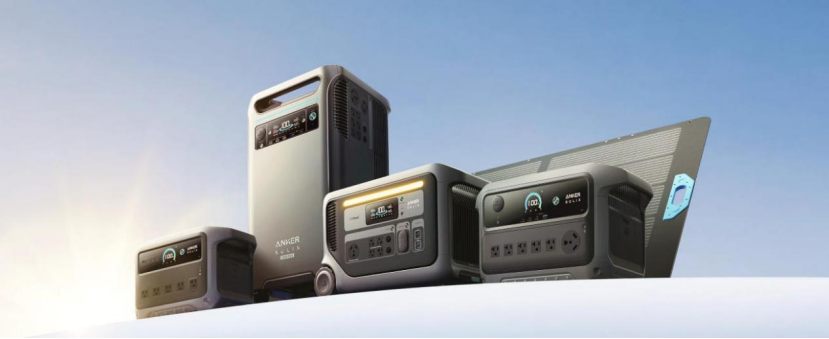
Monitoring and managing energy consumption is crucial for longer RV trips. Using devices that provide real-time information on power usage allows travelers to make informed decisions. For instance, portable power stations like the Anker SOLIX offer clear displays of remaining capacity and draw, making it easier to coordinate appliance usage without overloading the system. Staggering high-demand devices, adjusting settings, and charging strategically help maintain sufficient power for essential functions. Combining careful monitoring with practical usage patterns extends battery life and ensures a smooth off-grid experience.
Conclusion
RV batteries can deplete quickly if high-wattage devices, entertainment systems, or parasitic loads are not managed carefully. By understanding which appliances consume the most energy and monitoring usage with tools such as the Anker SOLIX portable power station, travelers can plan consumption more effectively. Adjusting settings, staggering appliance use, and maintaining awareness of always-on loads help preserve battery life for longer trips. Proper management ensures that RV adventures remain comfortable, safe, and uninterrupted. Effective planning and monitoring make off-grid travel more enjoyable and stress-free.